

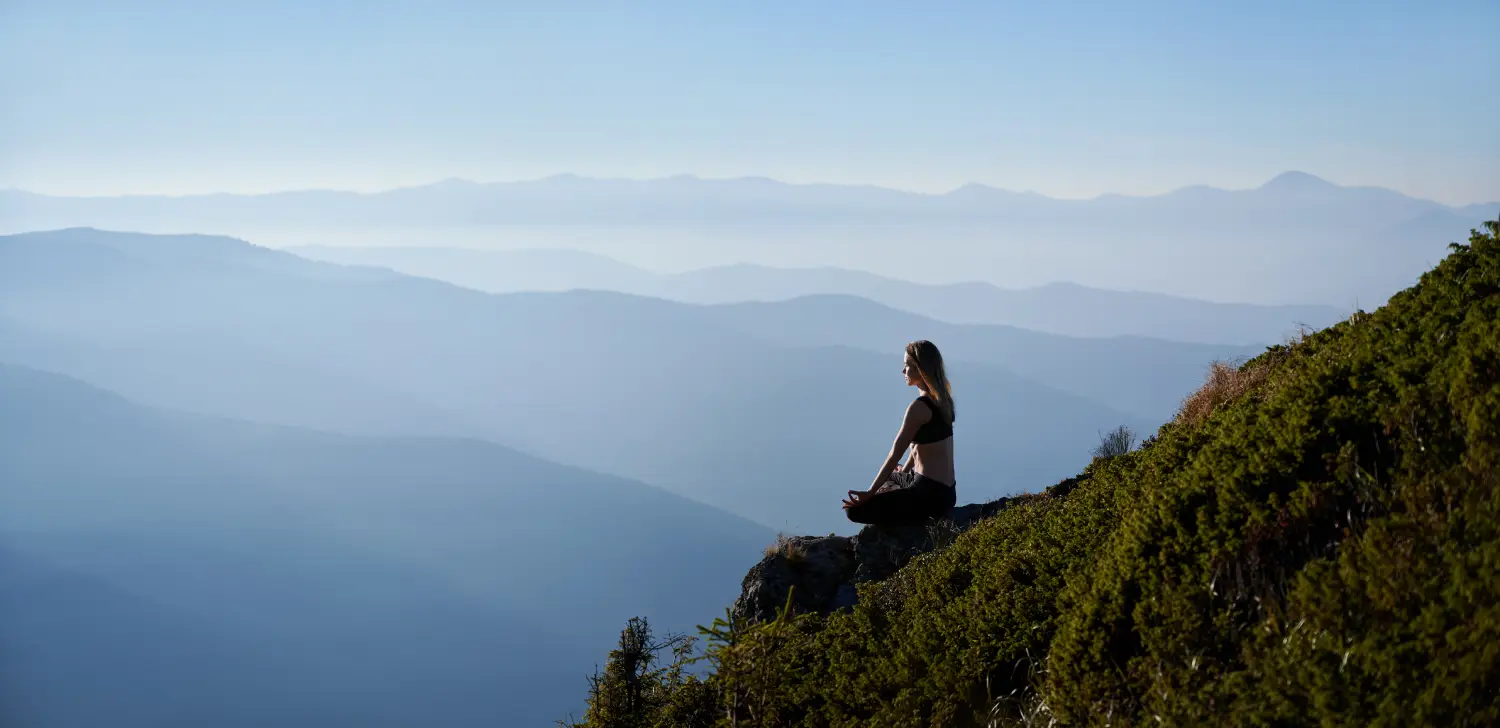
The adventure of going through the wilderness of Alaska is frequently very exciting, however, it is important to balance between adventure and relaxation as well. Although outdoor activities are invigorating and reveal a lot, when traveling, rest will enable the traveler to have a complete experience.
Peaceful rests are enjoyed by the body and mind, after hours of tedious hiking, sightseeing the scenery or watching wildlife. Remote lodges and cabins offer the best environments that allow one to relax in an environment free of noise and full of nature. Such environments provide a feeling of comfort which is unlike the activities that occur outdoors.
Even natural environment promotes rest. Open landscapes, lakes, forests are also relaxing to the eyes and make the traveler reconnect with their thoughts. Spending time in silence or making a stroll can be equally significant as the more active ones.
Relaxation is also a way of enhancing the entire travel experience as it assists the visitors to stay energetic. The break will enable the travelers to take some time and consider what they have been able to observe and strategize on what they want to be able to see next. This balance is important in order to make the journey to be fun instead of daunting.
Accommodations have shared spaces that can be used by the travelers to relax together. Discussions, narrations, and silence give relationships, which add emotional significance to the experience. These forms of interaction tend to be long lasting memories.
Besides that, something relaxing enables visitors to observe things that they would have otherwise not seen. When one slows down, the sound of nature, the variation of light, and the minor movements in nature are more noticeable.
This point is stressed by ALASKANGOLDCASINO.COM that in order to have a complete travel experience, it is necessary not only to move but to embrace the stillness too. Combining fun with rest enables tourists to appreciate the wilderness that Alaska has to offer in a more significant and profound manner.rvals, stress accumulates silently over time.
One major benefit of recreational rhythm is emotional stability. Regular breaks allow the nervous system to reset, preventing excessive stress responses. This consistency maintains a steady emotional baseline and reduces vulnerability to mood fluctuations.
Recreational rhythm also enhances productivity. Continuous work without recovery decreases efficiency and increases errors. Short, scheduled recreational intervals restore concentration and improve cognitive performance.
Another important aspect is the prevention of emotional overload. By releasing tension regularly, individuals avoid the buildup of unresolved stress that leads to burnout symptoms such as fatigue, irritability, and loss of motivation.
Social recreational rhythm further supports emotional resilience. Regular shared leisure activities strengthen relationships and provide emotional support systems that buffer stress.
Mental recreation awareness highlights flexibility within recreational rhythm. The goal is not rigid scheduling but sustainable balance that adapts to changing needs.
Ultimately, establishing a recreational rhythm transforms relaxation into a proactive strategy for long-term well-being. Consistent, intentional recreation safeguards emotional energy and prevents burnout effectively.ical well-being.